
7.5 Million UK Drivers Admit Using Phones Behind the Wheel: What This Means
Using your mobile phone while driving is illegal. Most drivers know this. Yet a nationwide survey has revealed that 18% of UK motorists admit to doing it anyway. Find out what this means for you in this article from National Numbers.

That's the equivalent of 7.5 million drivers who are knowingly breaking the law every time they pick up their phone behind the wheel.
According to research carried out by MoneySuperMarket, the problem extends beyond just making calls. A significant 26% of those surveyed admitted to checking messages and notifications while stopped in traffic or at traffic lights.
Many drivers assume that if the car isn't moving, the rules don't apply. They're wrong.
The Legal Reality
According to UK law, touching or using a handheld mobile phone at any point while you're behind the wheel is illegal. It’s really that simple! And yes, this includes when you're stopped at traffic lights, stuck in a queue, or waiting at a junction.
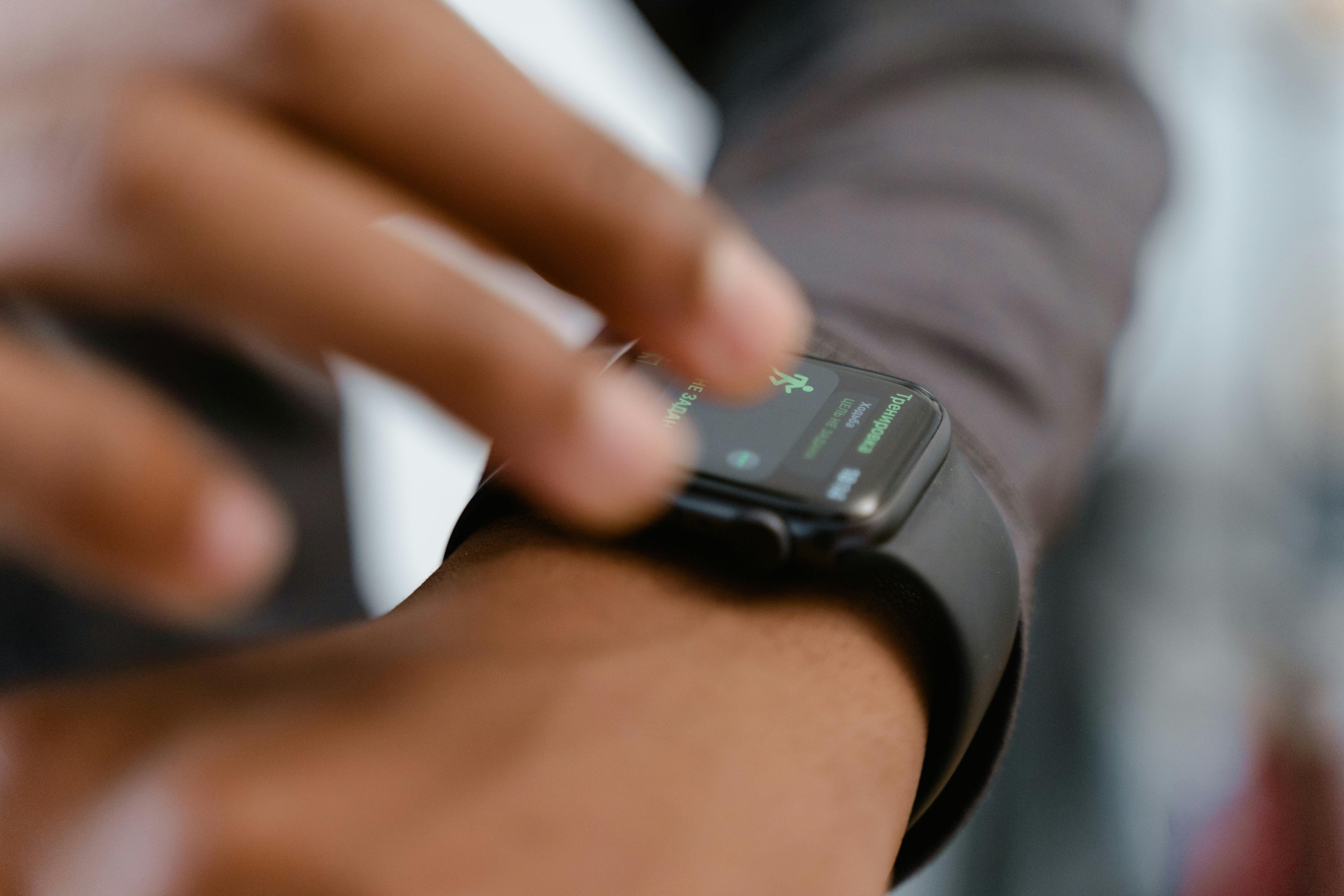
What many people don’t know is that smart watches also fall under the same rules. What’s more, if you're found to be using one while in control of a vehicle, you could face six penalty points and a £200 fine.
Insurance Cost Ramifications
When it comes to vehicle insurers, premiums increase when a driver is classed as riskier. A mobile phone conviction suggests distracted driving, poor judgment, and a higher likelihood of being involved in an accident. As a result, your premiums will likely skyrocket if you’re caught using your phone whilst driving.
This conviction stays on your driving record and affects your insurance costs for years. So, for many motorists, this long-term financial impact is far more painful than the initial £200 fine.

The Traffic Light Trap
convince themselves that checking a message at a red light is harmless because the car isn't moving.
However, the law doesn't make this distinction. If the engine is running and you're in the driver's seat, you're in control of the vehicle. Touching your phone is illegal.
Police can issue fixed penalty notices for this offence, and with increasing use of dash cam footage and traffic cameras, more drivers are being caught.
Beyond Points and Fines
The consequences of distracted driving extend beyond legal penalties and insurance costs. Reaction times slow dramatically when attention is divided between the road and a screen, which is obviously important when driving.
Why? Because a moment of distraction is all it takes for a situation to become deadly. Whether it’s a pedestrian stepping into the road, a vehicle braking suddenly, or a cyclist appearing in a blind spot. Any of these can happen in the second it takes to glance at a notification.
For professional drivers, tradespeople, and small business owners who rely on their vehicle for work, a driving ban can also have devastating consequences. In short, a loss of licence often means loss of livelihood. So, it’s really not worth it.
What Counts as Use
The rules are broader than many drivers realise, and you're breaking the law if you:
Hold your phone to make a call
Check messages or notifications
Use it for navigation without a proper hands-free mount
Take photos or videos
Play music or change playlists
Access any app or function.
Even picking up your phone to move it from one part of the car to another can be considered use if an officer determines you were distracted.
The Smart Watch Issue
Smart watches have created a new grey area that many drivers misunderstand. Because the watch is worn on your wrist rather than held in your hand, some assume it's exempt from the rules.
But here's the thing: it isn't. In fact, using a smart watch while driving is treated the same way as using a mobile phone. Tapping, swiping, or interacting with it while behind the wheel can result in the same penalties.
How to Stay Legal
The simplest solution is simple enough. Just put your phone completely out of reach before you start driving. Put it in the glovebox, a bag in the back seat, or anywhere that removes the temptation to check it.
If you need navigation, use a proper phone mount and set your destination before you start driving. Hands-free systems are legal, but only if you don't touch the phone to operate them.
And for those who genuinely need to be contactable while driving, consider telling people you'll be unavailable during certain hours. Because, let’s be honest, the vast majority of messages can wait twenty minutes. Never mind Instagram posts.
Find Your Perfect Private Number Plate
At National Numbers, we offer access to over 73 million private number plate combinations. With over 40 years of experience in the industry, our team can help you find the perfect registration for your vehicle.
Search for your perfect private number plate with National Numbers or call our friendly experts on 01642 363738 for personalised advice and guidance.