
Noise Cameras Are Coming To UK Roads - Here’s What Drivers Need To Know
If your exhaust is loud enough to rattle windows, it might soon be loud enough to trigger a fine.
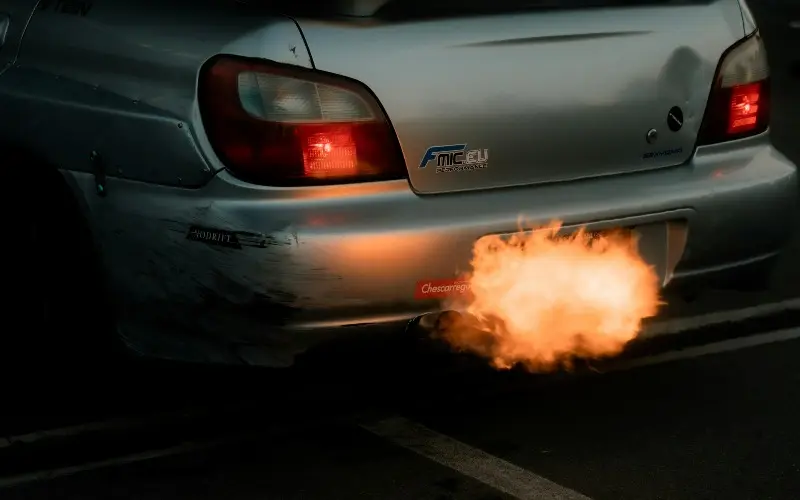
The Government has been trialling so-called noise cameras across parts of the UK to clamp down on excessively noisy vehicles. It’s a move aimed squarely at drivers running illegal or modified exhaust systems, particularly in residential areas where complaints have surged in recent years.
But what exactly are noise cameras, how do they work, and should everyday drivers be worried?
What are noise cameras?
Noise cameras, sometimes referred to as acoustic cameras, are roadside devices designed to detect and record vehicles that exceed legal noise limits. They combine a microphone array with a traditional camera system. And when a vehicle passes and exceeds a set decibel threshold, the system identifies the source of the sound and captures footage of the vehicle at the same time.
In simple terms, they’re a bit like speed cameras, but instead of measuring miles per hour, they measure decibels.

The legal noise limit for most cars manufactured after 2016 is 72 decibels under standardised testing conditions. This doesn’t mean every vehicle driving past a microphone at 73 dB gets fined, because real world road noise is more complex than laboratory testing.
However, the trials are exploring how to set practical roadside thresholds that clearly distinguish between normal driving and excessive or antisocial noise.
Why are noise cameras being introduced?
Vehicle noise complaints have increased significantly in many towns and cities around the UK. Modified exhausts, deliberate pops and bangs remaps, and high revving in built up areas have all become common grievances.
For local authorities and police, enforcement has always been difficult. Officers need to witness the offence, measure the noise accurately, and link it to a specific vehicle. By the time someone reports a disturbance, the car is often long gone.
Noise cameras aim to solve that problem. They provide automatic detection, time stamped recordings, and visual identification. If rolled out more widely, they could give councils and police forces a more efficient way to tackle repeat offenders.
Where have they been trialled?
The Government has already conducted roadside trials in several areas of England known for high levels of noise complaints. These trials tested whether the technology could reliably identify the loudest vehicle in traffic and capture usable evidence.
Early findings suggested the technology can work, but it isn’t as straightforward as speed enforcement. Background noise, multiple vehicles travelling together, weather conditions, and road layout all affect readings. That’s why the trial phase has been so important. Authorities need to be confident that any future enforcement is fair and accurate.
At this stage, noise cameras aren’t rolled out nationwide. But based on trial results, wider adoption remains a real possibility.
What counts as illegal noise?
It’s worth separating two things here.
First, there are manufacturer noise limits that new vehicles must meet under type approval rules. Second, there are rules against using a vehicle in a condition that causes excessive noise on the road.
If your car has been modified with a non compliant exhaust system, has had its silencer removed, or has been tuned to create excessive backfiring sounds, you’re already at risk under existing legislation. Police can issue fines, vehicle defect notices, and in some cases require the vehicle to be restored to standard.
Noise cameras wouldn’t create new laws. They’d simply make enforcement easier.
Should most drivers be worried?
For the vast majority of drivers, probably not.
Standard factory exhaust systems are designed to comply with UK and EU noise regulations. Even many aftermarket systems, when properly certified and installed, are road legal.
Where drivers may run into trouble is with poorly fitted, deliberately modified, or track focused systems being used on public roads. If it’s clearly louder than it should be and draws attention every time you accelerate, it’s exactly the sort of vehicle the trials are targeting.
It’s also worth remembering that enforcement is likely to focus on persistent and excessive offenders, not someone whose engine briefly revs a little higher than usual.

What does this mean for car culture?
Car culture in the UK is strong. From performance enthusiasts to classic restorers, there’s a huge community that takes pride in their vehicles.
But there’s a fine line between expressive and antisocial.
Authorities are under pressure to address public complaints, especially in densely populated areas. Noise cameras are part of that response. The key takeaway isn’t that car culture is under attack. It’s that blatantly excessive behaviour may become harder to ignore.
If anything, this shift reinforces the importance of keeping your car road legal and compliant. It’s about balance. You can still personalise your vehicle, but it has to sit within the rules.
Turning heads for the right reasons
At National Numbers, we know drivers love standing out. But there’s a big difference between a distinctive private plate and an exhaust that risks a penalty notice.
A personalised registration gives you individuality without attracting the wrong kind of attention. It’s legal, permanent, and completely compliant when displayed correctly. And unlike a loud exhaust, it won’t land you with a fine if new technology rolls out nationwide.
So if you’re thinking about upgrading your car’s presence on the road, make sure it’s done properly. Keep it legal. Keep it smart. And if you want to make a statement, let your number plate do the talking.
Browse over 73 million number plate combinations with National Numbers or call our sales team on 01642 363738 for guidance.