
Van Drivers Face Unlimited Fines Over Insurance Mistake
Thousands of van drivers could be unknowingly driving uninsured, putting themselves at risk of unlimited fines, penalty points, and even having their vehicle seized. The issue is not about speeding, tax or MOT. It’s about how the van is insured.
Many motorists assume that if they have insurance in place, they’re covered. However, when it comes to vans, the way the vehicle is used matters just as much as having a policy at all. So, if your insurance does not reflect how you actually use your van, you could legally be driving without cover.
Why Van Insurance Is Different
Unlike standard vehicle insurance policies, van insurance is heavily influenced by usage. Specifically, vehicle insurers need to know whether the vehicle is used purely for social and domestic purposes or for business activities.
This includes:
Carrying tools or equipment
Making deliveries
Travelling between job sites
Transporting goods for clients
Towing for work purposes.
Even occasional work use can change the type of insurance policy you need.
Because if you declare your van as being used for social purposes only, but you then use it for work even once, your policy may no longer be valid. And in the event of an accident, insurers can refuse to pay out.
At this point, the consequences can escalate quickly.
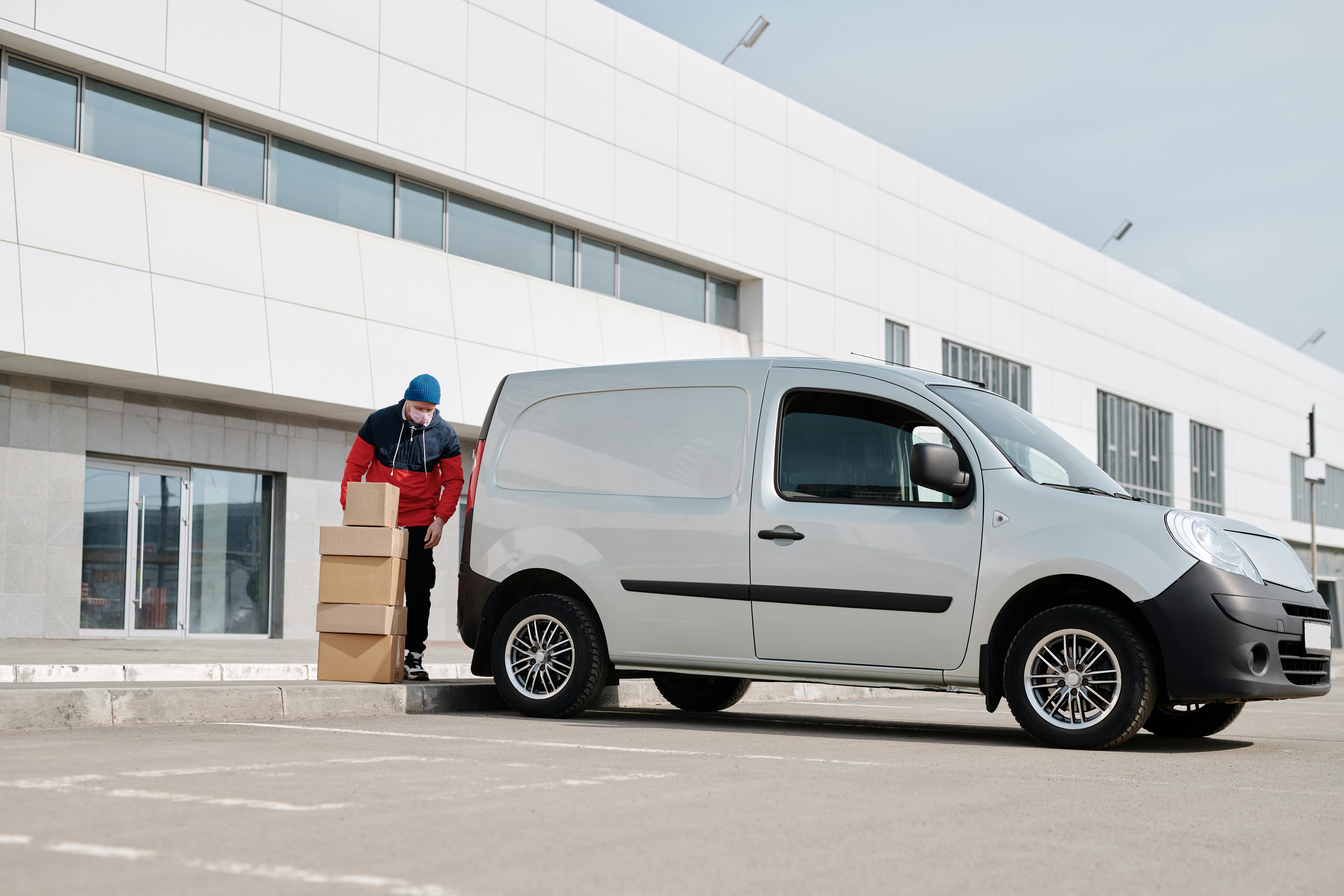
The Risk of Driving Uninsured
Driving without valid vehicle insurance is a serious offence in the UK. Police have the power to issue fixed penalties, add six to eight points to your licence, and in some cases, seize and destroy the vehicle.
Fines for driving uninsured are not capped in the same way as many other motoring offences, either, and courts can impose unlimited fines depending on the circumstances. There are also longer-term consequences, as a conviction for driving without insurance can make it significantly harder, and more expensive, to secure cover in the future.
For tradespeople, delivery drivers, and small business owners, this can have a direct impact on their livelihood.
The Financial Fallout After an Accident
Some drivers assume that third-party insurance is sufficient because their van is not particularly valuable. However, after a serious collision, the biggest costs are rarely related to the vehicle itself.
This is because injury claims, lost income, vehicle damage to other parties, and long-term care costs can run into substantial sums. And if your insurer refuses to pay because your policy didn’t match how the van was being used, you could be personally liable for every penny.
This financial exposure is what turns a simple administrative mistake into a potentially devastating situation.
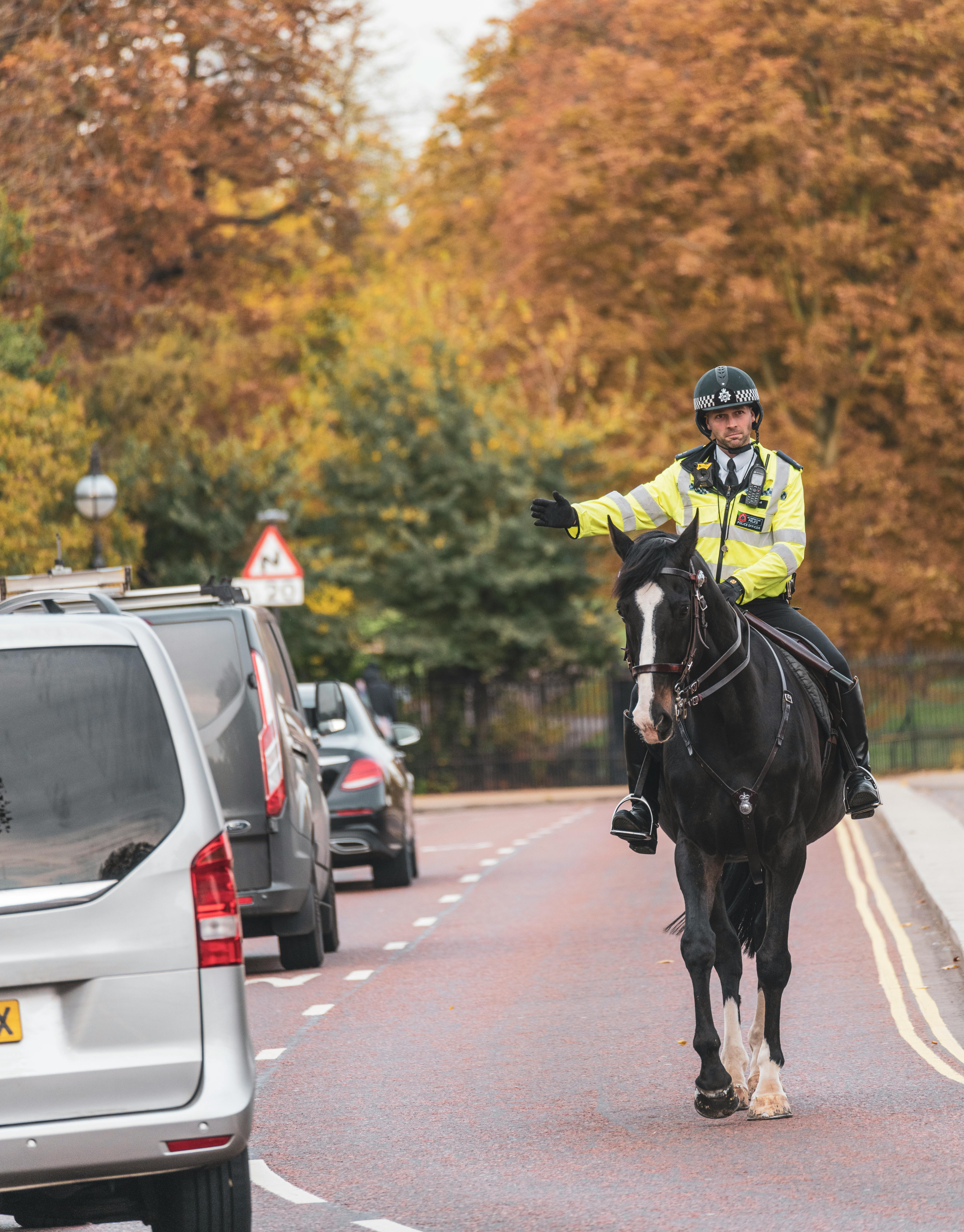
ANPR and Enforcement
Enforcement has also become more sophisticated when it comes to vehicles on the road, and Automatic Number Plate Recognition (ANPR) cameras are widely used across the UK. These systems flag uninsured vehicles in real time, allowing officers to take action quickly.
And while the system doesn’t directly detect policy wording, discrepancies often come to light during accident investigations or claims assessments. If it becomes clear that the vehicle was being used for undeclared business purposes, insurers can invalidate cover.
As a result, relying on the assumption that no one will notice is a risk few professionals can afford to take.
When You Must Inform Your Insurer
It’s not just full-time tradespeople who need business cover. If your job role changes, your mileage increases, or you begin carrying equipment, you should inform your vehicle insurance company immediately.
The same applies if you start towing, transporting heavier loads or using the van in a way that differs from what was originally declared. One short phone call to update a policy is far simpler, and cheaper, than dealing with the fallout of an invalidated claim.
Why This Matters to Van Owners
For many drivers, a van is not just a vehicle, but a work tool that helps you earn an income. So, losing it due to seizure, or facing a large fine and points on your licence, can create problems that extend far beyond a single traffic stop.
The key message here is a straightforward one; your vehicle insurance must match reality.
So, if you use your van for work, even occasionally, your policy should clearly reflect that.
Van Insurance and Your Number Plates
If you own a van and are considering a personalised registration, remember that the plate may change the look of your vehicle, but it does not change your legal obligations. Insurance, tax and MOT requirements remain exactly the same. The only difference is it can really help your vehicle stand out on the roads and private number plates are generally seen as a solid investment. On top of this, you can even advertise your business with the right reg.
To buy the rights to over 72 million private number plates, choose National Numbers. Search for your perfect reg online or call our friendly team on 01642 363738 for more information and advice.