
Drink Driving in the UK: The Statistics That Should Make Every Driver Think Twice
Drink driving kills people every year in the UK, but the scale of the problem, and some of the data behind it, might surprise you.
How bad is the problem?
The most recent government figures from 2023 show approximately 6,310 drink-drive casualties in Great Britain per year. This is a 6% reduction from the previous year.
Of these, an estimated 1,860 people were killed or seriously injured in collisions involving a driver over the legal limit. As such, 17% of all road deaths in Britain are due to drink driving.
This is a 3% decrease compared to 2022, but the share of road deaths attributable to drink driving has increased over the same period. All in all, fewer casualties doesn’t mean the problem is getting smaller in proportional terms.
Who is responsible?
When you look at the profile of drivers involved in drink-drive collisions, a few patterns emerge.
Male drivers account for 79% of drink-drive collisions recorded in Great Britain, compared with 70% of all collisions overall. Women are involved in around 20% of drink-drive incidents.
In terms of age, six in ten drivers (64%) responsible for drink-drive collisions were aged between 25 and 59. But the 16 to 24 age group accounted for 24% , a notably high share given they represent a smaller proportion of total licence holders.
Self-reported data from the RAC's 2025 Report states that among motorists under 25, 30% said they believed they had driven over the limit in the past 12 months. That compares with 19% of those aged 25 to 44, and just 2% of drivers aged 65 and over.
These are self-reported figures, so they carry uncertainty, and the real figure is likely much higher.
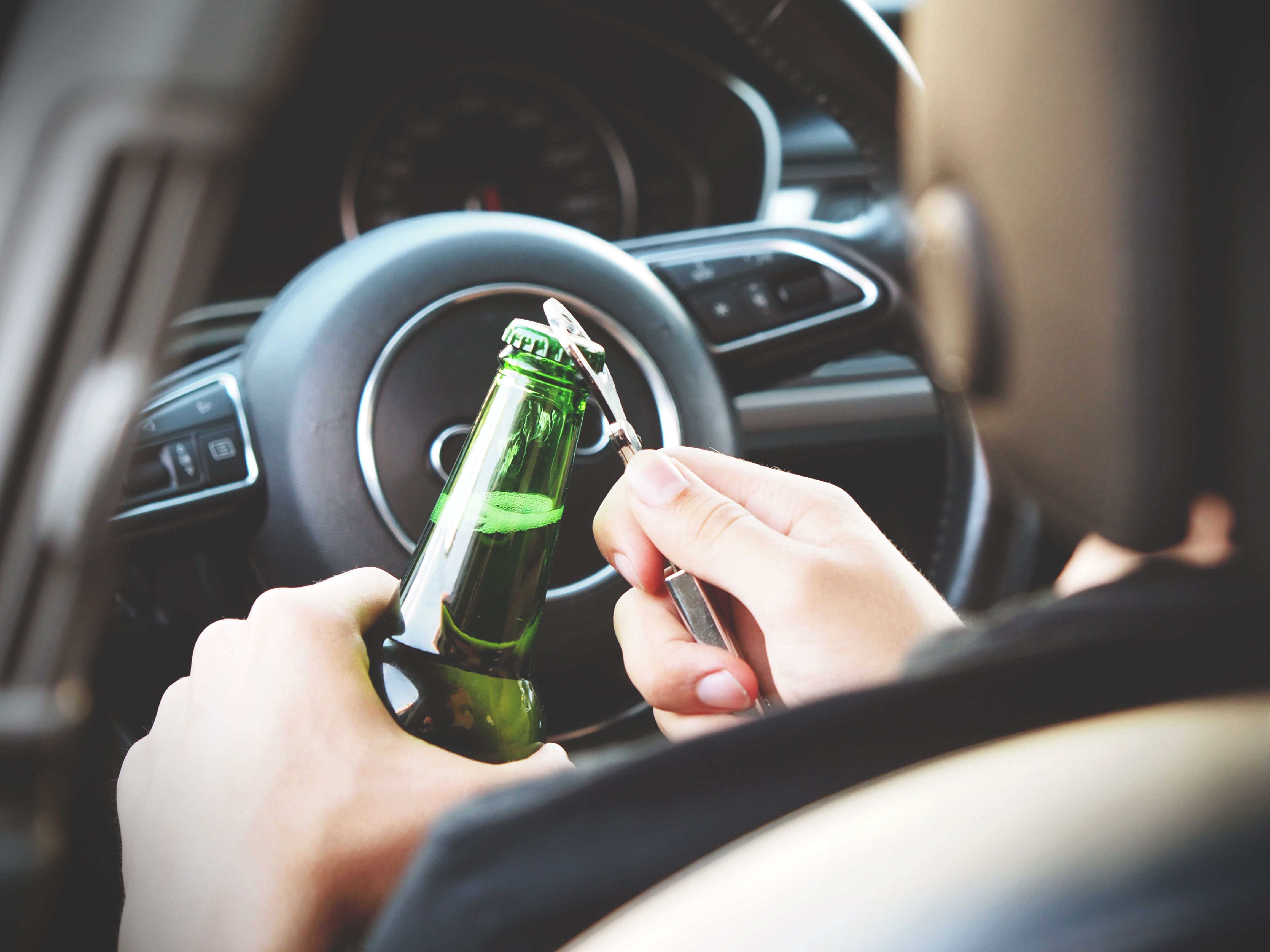
Is drink driving getting worse among younger drivers?
Among drivers under 25, 18% now say they have driven over the limit shortly after drinking, up from 15% in 2024. Among 25 to 44 year olds, that figure rose from 8% to 14% in a single year.
In 2025, 16% of passengers said they’d been in a car where they suspected the driver was over the limit. This is double the 8% recorded in 2024. And among passengers under 25, the figure jumped from 28% to 40%.
The overall proportion of drivers confident they had not driven over the limit fell to 89%, which is the lowest level since 2019.
When and where do drink-drive collisions happen?
Government data shows that January, June, July and August tend to see the highest collision rates. The summer months are particularly associated with elevated casualty figures, likely reflecting increased social activity and time on the road.
In terms of time, the pattern is roughly what you might expect. Between 10pm and 1am accounts for the highest volume of total collisions. However, fatal collisions are also recorded at 3am to 4am and between 9pm and 10pm. This suggests that both late-night and post-evening incidents carry serious risk.
When it comes to geography, Wales recorded the highest proportion of casualties from drink-drive collisions at 7.3%, followed by England at 5.2% and Scotland at 4.1%.
Within England, the East Midlands had the highest regional rate at 7%. London recorded the lowest at 2.5%.
The problem of repeat offending
An analysis of DVLA data found that more than 2,500 drivers accrued three or more drink-driving endorsements (DR10 or DR20) over the past eleven-year period. One motorist accumulated 10 separate DR10 convictions, and another had eight. A further 13 drivers had six.
In total, 220,638 motorists currently hold drink-driving endorsements on their licence in the UK. And in the past eleven years, 26,819 licence holders have been convicted more than once.
The data highlights a persistent minority of offenders where disqualification clearly isn’t much of a deterrent. RAC road safety spokesman Rod Dennis has argued that licence bans alone do little to prevent reoffending, and that alcohol interlock devices, which physically prevent a vehicle from starting if alcohol is detected on the driver's breath, are more likely to be effective.
Alcohol interlocks are already in use across the EU, Australia, Canada, New Zealand and the United States. Research in those countries has shown reductions in reoffending of up to 70% once devices are fitted.
What do drivers think should be done?
There is a strong public appetite for tougher action. The RAC's 2025 survey found that 68% of drivers believe additional measures are needed to tackle drink driving, rising to 77% among those under 25.
Support for alcohol interlocks is also particularly high, with 82% of drivers backing their introduction. Among those in favour, 71% believe every driver caught over the limit should be required to have one fitted.
Notably, support is highest among the groups most likely to admit to breaking drink-drive laws. And among under-25s, 87% backed interlock use.
The UK Government's new Road Safety Strategy has set a target of a 65% reduction in road deaths and serious injuries by 2035, with alcohol interlocks among the measures under consideration.
What does this mean for drivers?
For most drivers, the practical takeaway is straightforward. Know the limits, plan ahead, and never assume you are safe to drive after drinking. The data on what happens when that calculation goes wrong is measured in casualties, convictions, and lives cut short.