
How to Report Stolen Number Plates to the Police and DVLA
To report stolen number plates, contact the police first to get a crime reference number, then write to the DVLA with that number and your registration. After that, tell your insurer and get replacement plates made before you drive again.
Acting quickly matters. Stolen plates are usually fitted to another car to dodge speeding fines, tolls and fuel bills, or to hide a stolen vehicle, and those penalties can land on your doormat. A crime reference number and a DVLA confirmation letter are how you prove it wasn't you.
The good news is that your registration itself is safe. Thieves take the physical plates, not your right to the number, so it stays on your car and you can have new plates made straight away.
Number plates stolen? Do this now:
Call the police on 101 or report it online, and get a crime reference number.
Write to the DVLA at DVLA, Swansea, SA99 1AR, with your registration and crime reference number.
Tell your insurer, quoting the crime reference number.
Get new plates from a registered number plate supplier before you drive.
How to Report Stolen Number Plates: Step by Step
Whether one plate has gone or both, the process is the same. Here's what to do if your number plates are stolen, in order.
Step 1: Report It to the Police
Report stolen number plates to the police by calling 101 or using the online crime reporting form on your local police force's website. Only call 999 if a crime is happening right now.
Give them:
your registration number
the make, model and colour of your car
where the car was parked and roughly when the plates went missing
whether one or both plates were taken
any CCTV, doorbell or dashcam footage, or details of witnesses
The police will give you a crime reference number. Keep it somewhere safe, because you'll need it for every other step and to challenge any fines that follow.
Step 2: Tell the DVLA by Post
You need to report stolen number plates to the DVLA as well as the police. It's done by post, not online or by phone. Write to DVLA, Swansea, SA99 1AR, and include:
the registration number from the stolen plates
your crime reference number
You must be the vehicle's registered keeper, or have their permission. The DVLA will send a confirmation letter to the address on your V5C log book. Keep it with your crime reference number, as together they're your proof if the plates are misused.
Step 3: Tell Your Insurer
Let your insurer know the plates have been stolen and give them the crime reference number. It puts the theft on record if fines or claims linked to your registration turn up later. Some policies also cover the cost of replacement plates.
Step 4: Get Replacement Plates Before You Drive
GOV.UK says you'll need new number plates before you can drive your car. Your registration hasn't changed, so you just need a new set made up with the same number.
You can only get number plates from a registered number plate supplier, such as Replace My Plates. They'll need to see original documents that prove:
your name and address, such as a driving licence, or a utility, Council Tax or bank statement from the last 6 months
that you're allowed to use the registration, such as your V5C log book, a V750 certificate of entitlement or a V778 retention document
New plates must meet UK number plate law. Incorrectly displayed plates can mean a fine of up to £1,000 and an MOT fail.
Step 5: Watch for Misuse
For the next few months, look out for speeding tickets, parking fines, Congestion Charge, ULEZ or Dart Charge penalties, or toll notices for places you haven't been. If one arrives, contact the organisation that issued it straight away, quoting your crime reference number and enclosing a copy of the DVLA confirmation letter. Keep a record of every notice you receive.
Is Your Private Registration Safe If Your Plates Are Stolen?
Yes. If someone steals the physical plates from your car, your private registration is still yours. The DVLA holds the right to the number against your vehicle, not the plates, so a thief can’t take it with them. Report the theft, get a new set made up and your private plate is back on the road.
What If Your Car Was Stolen Too?
If the whole car has been stolen, you can usually still keep your private registration, as long as:
you’ve reported the theft to the police
the car had a valid MOT and up-to-date vehicle tax when it was stolen
you apply within 2 years and 6 months of telling the DVLA the car was stolen
You can only apply by post, using form V317 and your V5C log book, and it costs £80. Apply as soon as you can after the theft. If your car isn’t recovered, you’ll need to wait 6 months before you can put the number on another vehicle. If it is recovered, you can move the number straight away, as long as you apply before the car is sold or scrapped.
Our guide to retaining a private plate explains the process. If you’d rather sell the registration than keep it, get a free number plate valuation.
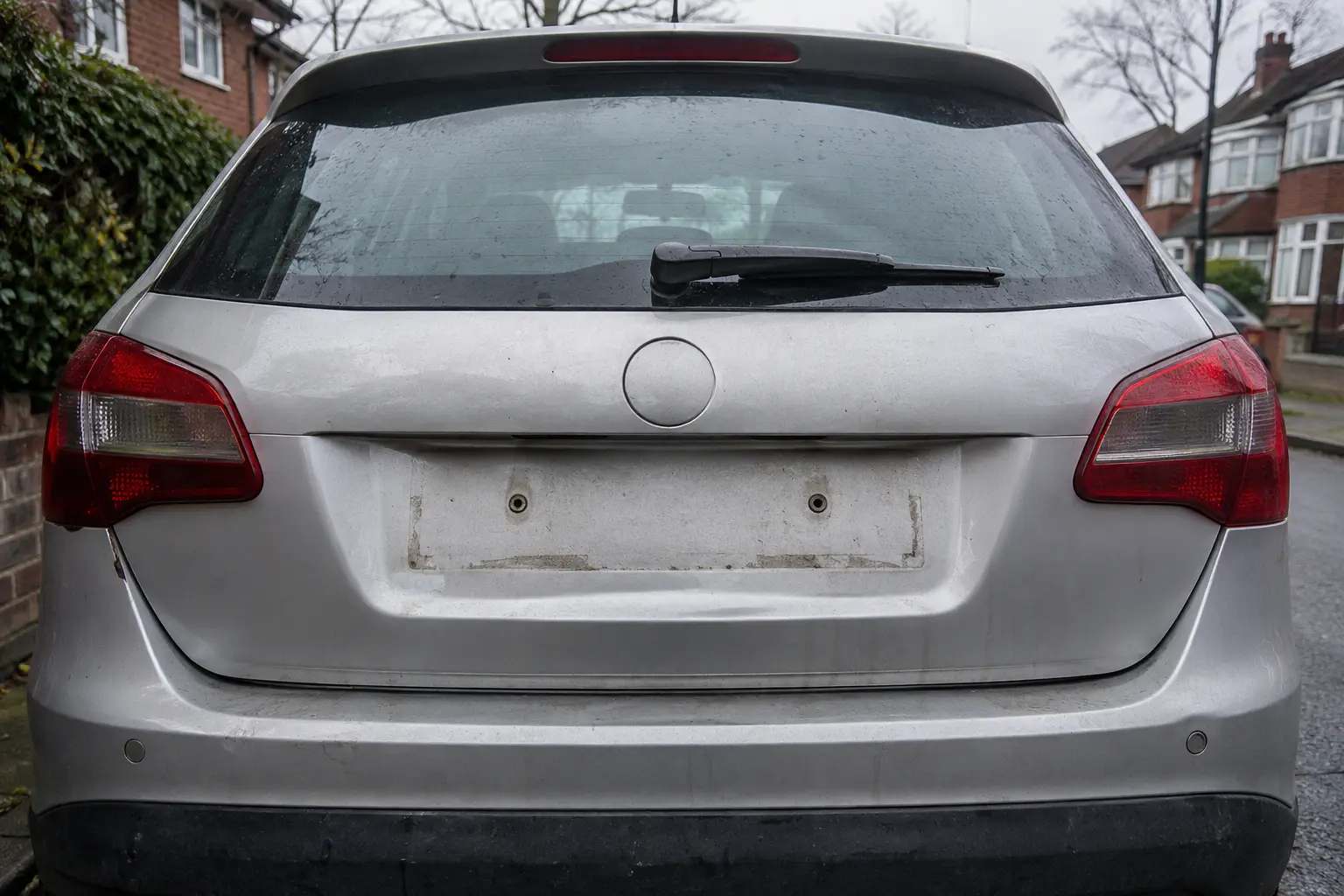
Lost or Cloned Number Plates: What's Different?
Not every missing plate is a theft, and not every case of misuse starts with one. Here's how lost and cloned plates differ from stolen plates.
Lost Number Plates
Do you need to report a lost number plate? No. If a plate has fallen off, been knocked off or cracked beyond use, you don't need to tell the police or the DVLA. Just get a replacement from a registered number plate supplier, using the same documents as for stolen plates. Our number plate fixings guide explains how to fit your new set securely.
If you can't rule out theft, treat it as stolen and report it. A crime reference number costs you nothing and protects you if the plate turns up on another car.
If Someone Is Using Your Number Plate
If fines arrive for journeys you didn't make, your plate may have been cloned, meaning copies are being used on another car. That can happen even when your own plates are still on your car.
In England and Wales, report it using the cloned number plates form on your police force's website, and the police will tell the DVLA for you. In Scotland or Northern Ireland, call 101 and write to the DVLA yourself, enclosing copies of the fines. Then appeal each fine with the organisation that sent it.
Our cloned number plates guide covers how to spot cloning, report it and get fines cancelled.
Why Are Number Plate Thefts Rising?
Stolen number plate reports have more than doubled in four years. DVLA figures obtained by Churchill Motor Insurance show 7,381 stolen plates were reported in 2025, up from 3,376 in 2021. Cloned plate reports rose by over half in the same period.
| Year | Stolen Plates Reported | Cloned Plates Reported |
|---|---|---|
| 2025 | 7,381 | 11,394 |
| 2024 | 5,683 | 10,461 |
| 2023 | 4,295 | 9,948 |
| 2022 | 4,022 | 7,837 |
| 2021 | 3,376 | 7,430 |
Source: DVLA data obtained by Churchill Motor Insurance (2021–2024; 2025, reported May 2026).
These figures are behind the recent DVLA stolen number plates warning headlines. The advice from insurers is the same as ours: report stolen plates quickly and make yours harder to remove.
Why Do Thieves Steal Number Plates?
A stolen number plate lets a criminal drive under someone else's identity. They're most often used to:
disguise a stolen car or one used in other crimes
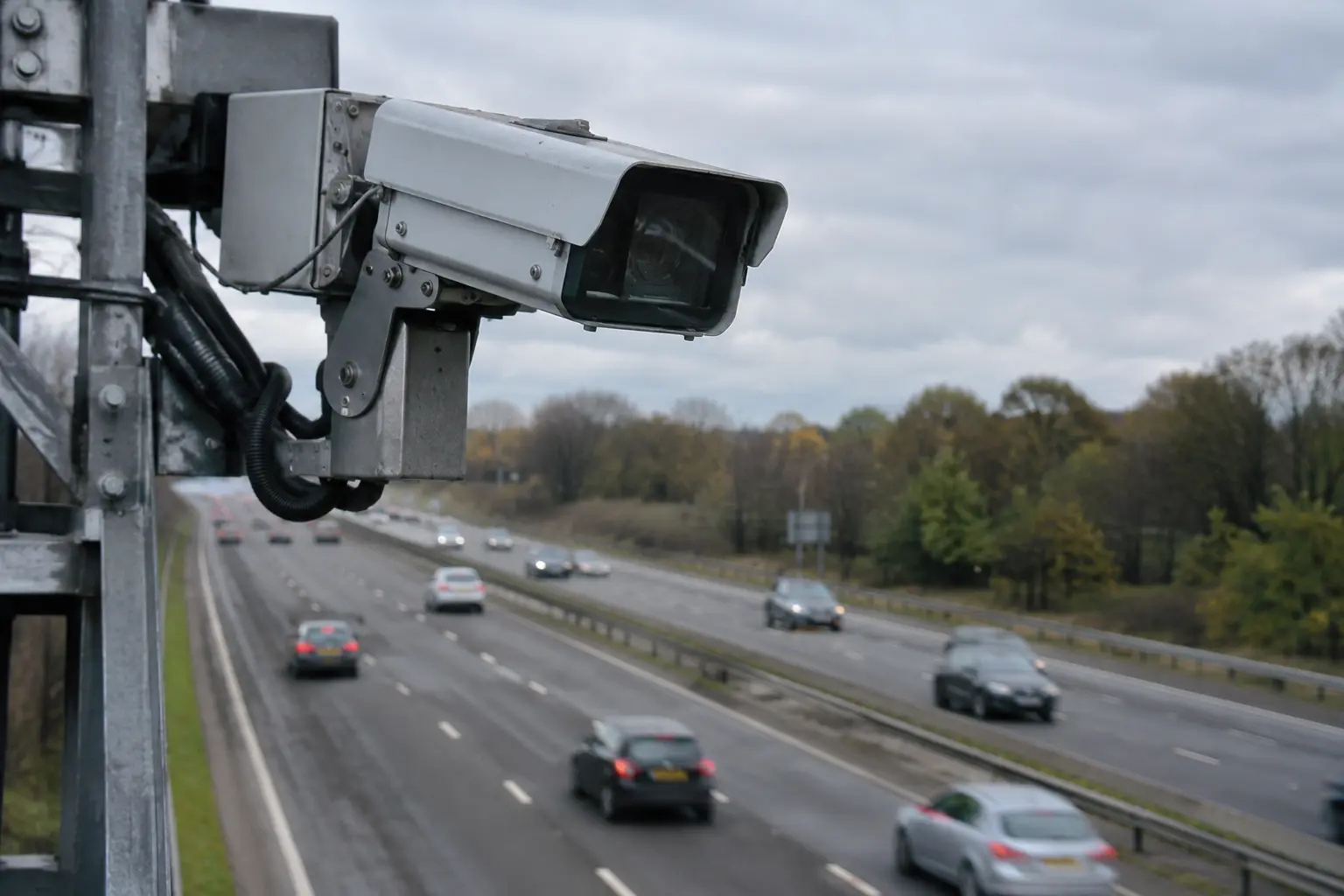
avoid speeding fines and ANPR cameras
drive off from petrol stations without paying
dodge the Congestion Charge, ULEZ, Dart Charge and toll roads
Whichever it is, the fines and letters go to the registered keeper, which is why reporting the theft straight away matters so much.
How to Stop Your Number Plates Being Stolen
Most plates are taken in seconds with a screwdriver, so the aim is to make yours slower and harder to remove than the next car's.
Fit tamper-resistant screws: they need a special tool to remove, cost very little and are the single most effective step.
Consider theft-resistant plates: they're designed to break apart if someone tries to remove them, so they can't be reused. Our guide to theft-resistant number plates explains how they work.
Park somewhere visible: choose well-lit, busy streets, or a garage or driveway if you have one.
Add a deterrent at home: CCTV, a doorbell camera or motion-sensor lighting puts thieves off and can capture evidence if it happens.
Check your plates regularly: if a screw is loose or a plate looks tampered with, deal with it before it goes missing.
Related Guides
Ghost plates and the future of UK number plates: what MPs are proposing to tackle fake and stolen plates.
Number plate fines and illegal plates: what makes a plate illegal and what it can cost you.
BS AU 145e number plate standard: the standard your replacement plates must meet.
Do private plates affect your car insurance?: what to tell your insurer when your registration changes.
Replace Your Plates or Find a New Registration
Once you've reported your stolen number plates, getting back on the road is quick. Replace My Plates, part of the same group as National Numbers and Jepson & Co, makes road-legal replacement plates and delivers them to your door.
And if the theft has you thinking about a fresh start, National Numbers has been selling private registrations since 1981. Search over 80 million private number plates, or call our team on 01642 363738.