
History of Number Plates
UK number plate history began in 1903, when growing traffic levels created a need for vehicles and their drivers to be identified more reliably. The Motor Car Act introduced compulsory vehicle registration, laying the foundations for the system still used today.
Since then, the history of number plates has followed the growth of motoring itself. Early locally issued registrations gave way to dateless, suffix and prefix formats before the current registration system arrived in 2001.
Our guide follows each stage of that development, explaining when every format appeared, how it worked and why it was eventually changed.
UK Number Plate History at a Glance
The UK registration system has changed several times since number plates became compulsory in 1904. Each new format was introduced to create more unique combinations, improve vehicle identification or make the system easier to manage as the number of vehicles increased.
Year or Period | Development | Example | Why the System Changed |
|---|---|---|---|
Before 1904 | No compulsory national registration system | N/A | Growing motor traffic created a need to identify vehicles and their drivers |
1904 onwards | Local councils began issuing registration marks | A 1 | The Motor Car Act 1903 made vehicle registration and displayed registration marks compulsory |
1921 onwards | Registration became part of the vehicle licensing process | KA 1234 | The Roads Act 1920 created a more structured system administered by local councils |
1932 onwards | Three letters and up to three numbers were introduced | ABC 123 | Earlier local authority combinations were being exhausted |
1953 onwards | Reversed dateless registrations appeared | 123 ABC | Reversing the format created another supply of registration marks |
1963 to 1983 | Suffix registrations added a year letter at the end | ABC 123A | Rising vehicle ownership required a larger, age-identifying system |
1973 onwards | Reflective white and yellow plates became standard for newly registered vehicles | ABC 123L | Reflective plates made registrations easier to read in poor light |
1983 to 2001 | Prefix registrations moved the year letter to the front | A123 ABC | The available suffix year letters had been exhausted |
1999 onwards | Two registration releases were introduced each year | T123 ABC | Twice-yearly changes extended the remaining life of the prefix system |
2001 onwards | The current registration format was introduced | AB51 CDE | A longer-lasting system was needed to provide more combinations |
2020 onwards | Green flashes became available for eligible zero-emission vehicles | AB70 CDE | The green marking made qualifying vehicles easier to identify |
1903 to 1904: UK Number Plates Are Introduced
By the beginning of the twentieth century, around 5,000 motor vehicles were using Britain’s roads. As traffic increased, authorities needed a reliable way to identify individual vehicles and connect them with their registered owners.
The Motor Car Act 1903 created the first compulsory vehicle registration system in Britain. Its registration requirements came into force on 1 January 1904, marking the beginning of UK number plates as we know them.
The Motor Car Act 1903
Under the Act, every motor vehicle had to be registered with a local council and display its assigned registration mark. Drivers were also required to hold a licence, while vehicles had to be licensed for road use each year.
Giving each vehicle a unique registration made it easier for the police and local authorities to identify vehicles involved in collisions, speeding offences or other incidents.
The First UK Registration Marks
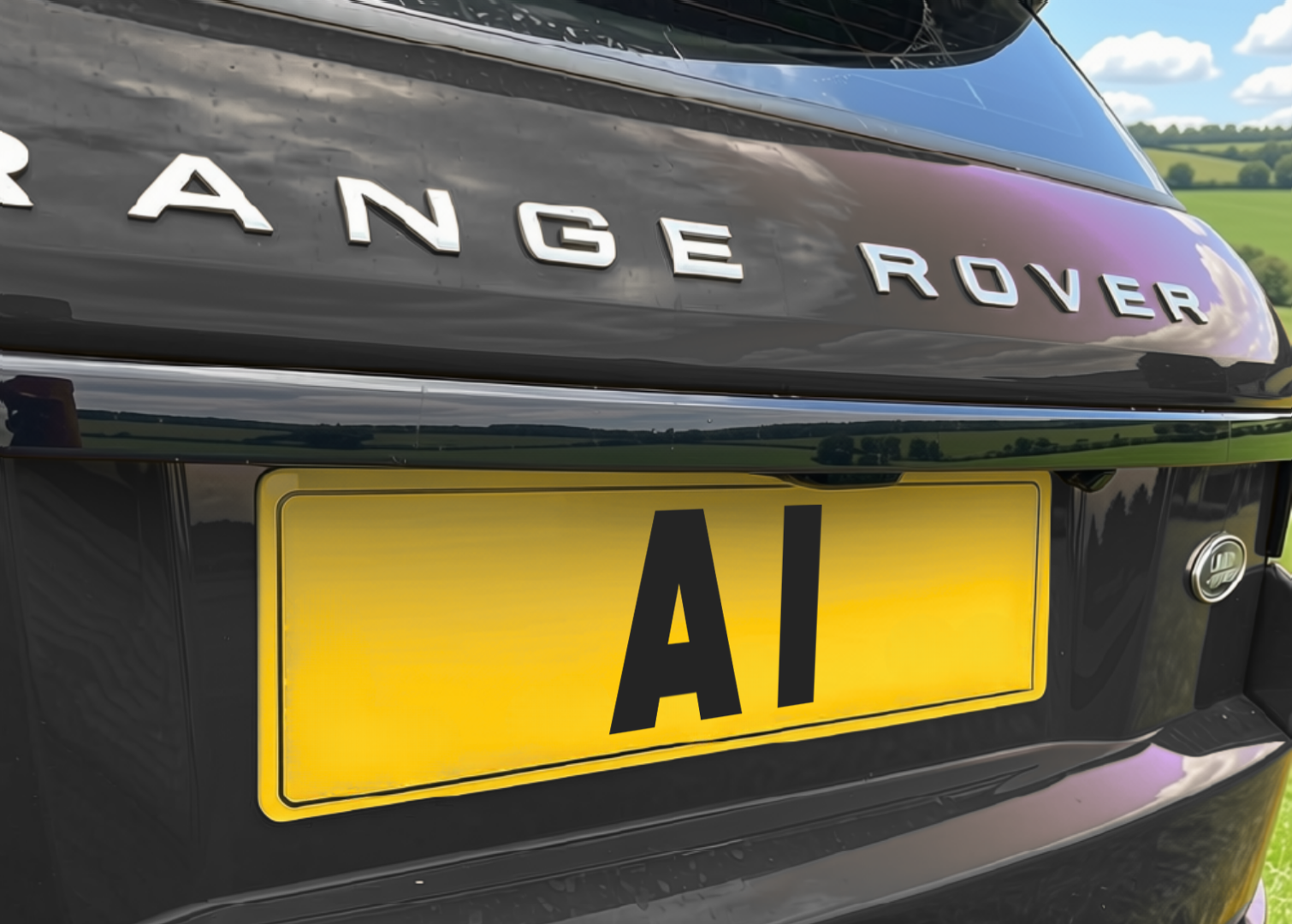
A 1 is widely recognised as the first registration issued by London County Council. However, surviving records indicate that DY 1 was issued in Hastings on 23 November 1903, before A 1 was allocated in London.
A 1 remains the best-known registration from the period, while DY 1 is often described as the earliest documented UK registration mark.
What Did Early Number Plates Look Like?
The first registrations contained one or two letters followed by a number. The letters identified the council that issued the registration, while the numbers distinguished individual vehicles registered in that area.
Examples included:
A 1
DY 1
AA 1234
These early registrations did not contain a year identifier. They are now known as dateless number plates because the characters do not show when the vehicle was first registered.
1920: Vehicle Registration Becomes More Structured
The number of vehicles on Britain’s roads continued to grow after registration plates were introduced. The Roads Act 1920 created a closer link between vehicle registration and annual licensing, while local councils remained responsible for issuing registration marks.
The Roads Act 1920
From 1921, a vehicle had to be registered when its first licence was issued. The council assigned it a separate registration number and recorded the vehicle within its licensing system.
The displayed registration mark identified both the individual vehicle and the council with which it was registered. This created a more structured system for maintaining vehicle and licensing records.
Local Authority Registration Codes
Each registration mark included letters allocated to a particular local authority. For example, KA was used by Liverpool, while SJ was issued by Bute Council.
The numbers following the council code were issued in sequence, creating registrations such as:
KA 1234
SJ 5678
These registrations still contained no age identifier, so the year in which a vehicle was registered could not be determined from the plate alone.
Why Some Areas Ran Out of Registrations First
Areas with larger populations registered vehicles more quickly and exhausted their available combinations sooner. Liverpool’s KA series was introduced in 1925 and had run out by 1927, while Bute continued issuing registrations from its SJ series until 1963.
This uneven demand meant the original format could not provide enough registrations in busier areas, leading to the introduction of longer letter and number combinations during the 1930s.
1932: The Dateless Registration Format Expands
By the early 1930s, many councils were running out of registrations under the original system. In July 1932, a longer format was introduced to provide more combinations while retaining the local authority codes already in use.
Why the Original Registration System Ran Out
The original format used one or two letters followed by up to four numbers. In areas registering large numbers of vehicles, these sequences were eventually exhausted.
The revised system added a serial letter before the existing two-letter authority code. As registration marks were limited to six characters, the number sequence was reduced to a maximum of three digits.
Three Letters and Up to Three Numbers
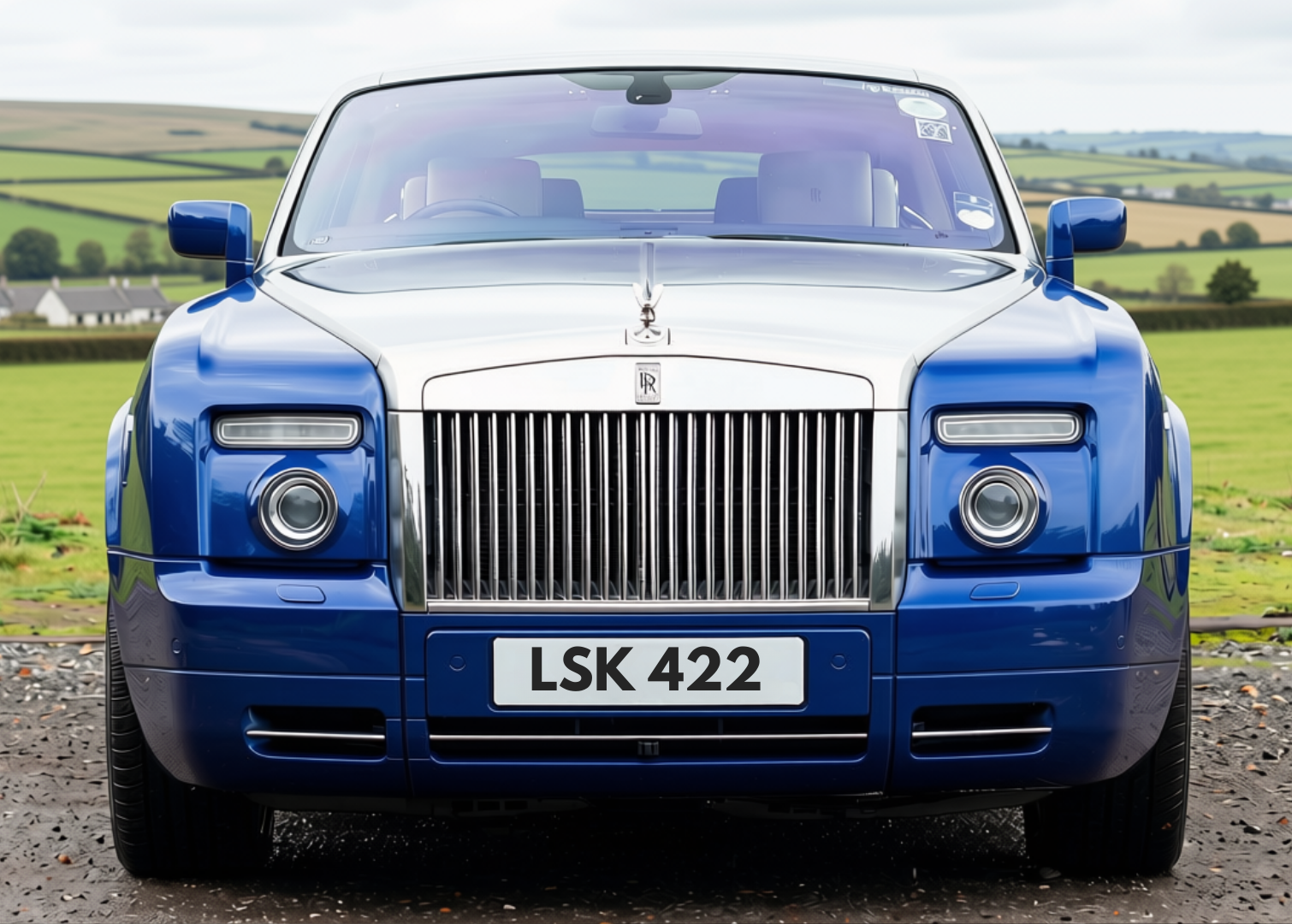
The expanded format used three letters followed by one, two or three numbers, such as:
AAA 12
BCD 999
The first letter extended the available sequence, while the following letters identified the issuing authority. The numbers distinguished each registration within that series.
These registrations still contained no year identifier, so they now form part of the wider range of dateless number plates.
1953: Reversed Dateless Number Plates Appear
By the early 1950s, some councils had exhausted the combinations available under the three-letter dateless format. From 1953, registrations began to appear with the order reversed, placing the numbers before the letters.
Why Was the Dateless Format Reversed?
Reversing the character order allowed councils to create a new series without replacing the existing local authority codes. A registration previously structured as ABC 123 could instead be issued as 123 ABC.
This extended the life of the dateless system, but growing vehicle ownership meant the additional combinations would eventually run out.
What Did Reversed Dateless Plates Look Like?
Reversed registrations used up to three numbers followed by three letters, such as:
123 ABC
999 BCD
Like earlier formats, they contained no year identifier. The final two letters continued to represent the issuing authority, while the first letter in the three-letter group formed part of the registration sequence.

1963: Suffix Number Plates Introduce Registration Years
By the early 1960s, even reversed dateless registrations were running out in busier areas. A new format was introduced in 1963 to create more combinations and show when a vehicle was first registered.
Why Suffix Registrations Were Introduced
Post-war car ownership had increased sharply, placing further pressure on the existing registration system. Reversing the dateless format had provided a temporary solution, but it did not create enough combinations for continued growth.
Suffix registrations addressed this by adding a year letter to the end of each registration. A new letter could then be released for each registration year.
How the Suffix Format Worked
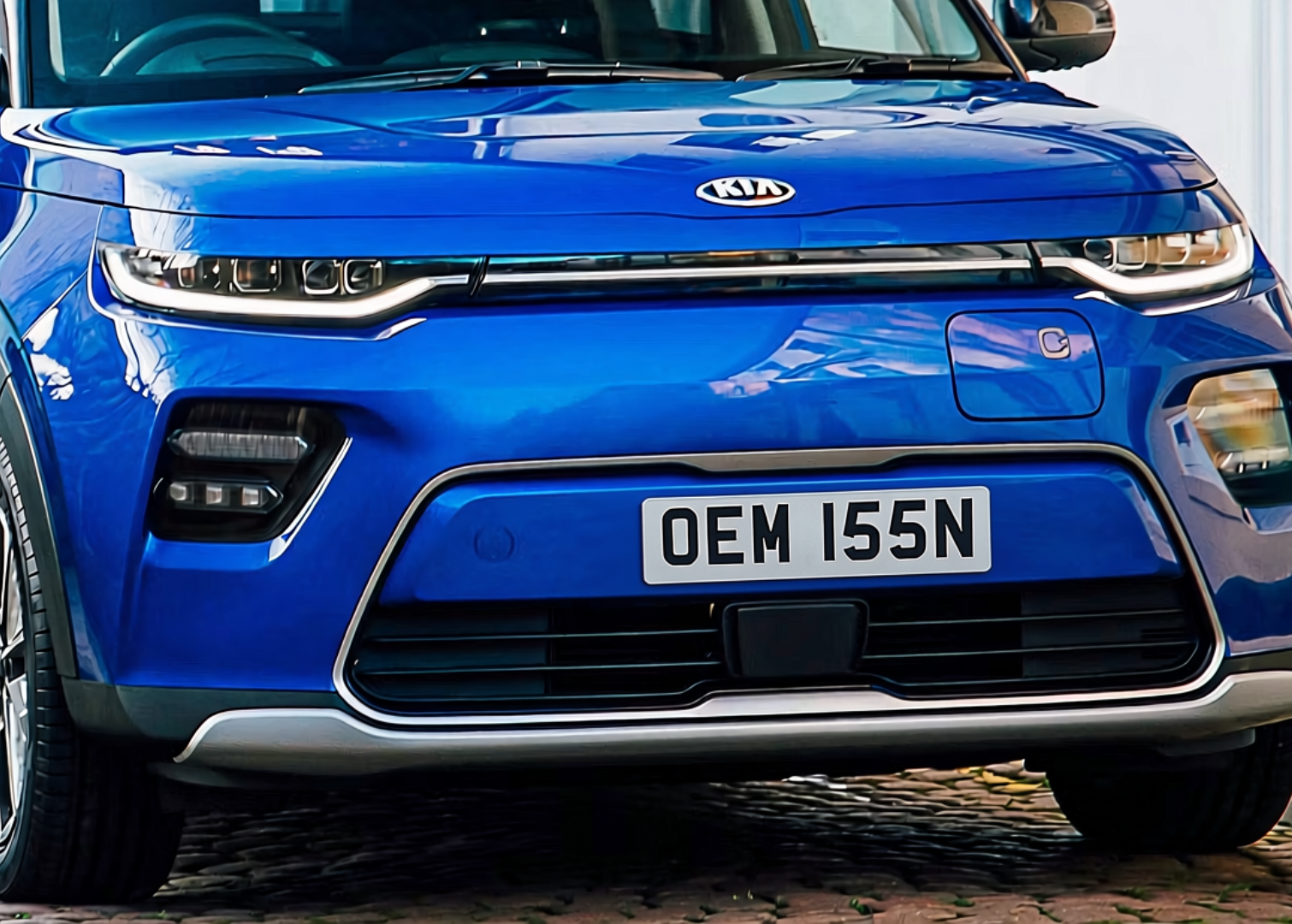
Suffix registrations used three letters, up to three numbers and a final age-identifying letter:
ABC 123A
The final A showed that the vehicle was registered in 1963. The year letter then progressed through the alphabet, ending with Y in 1983. See our number plate year of issue guide for a complete list of suffix year identifiers.
The first letter expanded the available sequence, while the following two letters identified the issuing area. You can view available suffix registrations and learn more about their format in our dedicated range.
When Did Suffix Plates Become Compulsory?
The suffix format was introduced in 1963, but not every licensing authority adopted it immediately. By 1964, most authorities were using the B suffix. In 1965, the C suffix completed the rollout, bringing the remaining authorities into the suffix system.
Why Some Year Letters Were Not Used
The letters I, O, Q, U and Z were not used as suffix year identifiers. I and Z were reserved for Northern Irish registrations, while Q was used for vehicles whose age or identity could not be confirmed. O and U were omitted because they could easily be confused with other characters.
As a result, the year-letter sequence moved from H to J, N to P and T to V. This kept registration marks clearer and reduced the risk of them being misread.
1965: The Driver and Vehicle Licensing Centre Is Established
In 1965, the government approved plans for the Driver and Vehicle Licensing Centre, known as the DVLC. Based in Swansea, it was created to manage driver licences, vehicle registrations and licensing records through one national organisation.
Its role included maintaining records of registered vehicles and keepers, processing applications, recording ownership changes and helping authorities identify vehicles across Great Britain.
Why a Central Registration System Was Needed
County and borough councils had managed registration records since the system began, leaving vehicle information spread across numerous local offices.
Bringing these records together would create a more consistent process, make information easier to update and help the police and other authorities confirm vehicle and keeper details.
How the National System Was Developed
The DVLC was introduced gradually. Records held by local councils had to be transferred, while computerised systems were developed to register vehicles, process licences and record changes nationally.
Local authorities continued handling registration services during the transition. Responsibility began moving formally to the DVLC in 1974.
1973: Reflective Number Plates Become Compulsory
Reflective number plates were permitted as an alternative to traditional black plates from 1968. From 1 January 1973, newly registered vehicles manufactured in Great Britain had to display reflective plates with black characters.
The reflective format introduced the colour arrangement still used today:
White at the front
Yellow at the rear
Black characters on both plates
Earlier plates generally used white, silver or grey characters on a black background.
Why Were Reflective Plates Introduced?
Reflective materials made registration marks easier to read at night and in poor light. When illuminated by headlights, the plate reflected light back towards the approaching driver, improving vehicle identification and road safety.
Using different colours at the front and rear also made the direction of travel easier to recognise.
What Happened to Black and Silver Number Plates?
The 1973 requirement applied to vehicles manufactured after the new rules took effect, so older vehicles did not have to replace their existing black and silver plates.
Traditional plates remain permitted on eligible historic vehicles. They display white, silver or grey characters against a black background, preserving the appearance associated with earlier periods of motoring.
1974: Vehicle Registration Moves Away From Local Councils
In 1974, the Driver and Vehicle Licensing Centre began taking over the registration and licensing work previously handled by county and borough councils. Records and responsibilities moved gradually into the national system, with documents and procedures becoming standardised across Great Britain.
What Happened to Local Registration Services?
Local councils gradually stopped operating their own registration systems. A network of Local Vehicle Licensing Offices continued handling services that required regional support, including imported vehicle registrations, trade plates and registration transfers.
Existing council records were incorporated into the central vehicle database throughout the transition
How Centralisation Affected Registration Marks
Number plates continued to display regional letter codes, but the letters no longer identified the organisation managing the vehicle’s record.
The codes remained part of the registration format, preserving a link to the area where a mark was originally issued while administration moved to the DVLC.
1983: Prefix Number Plates Replace Suffix Registrations
In August 1983, the age-identifying letter moved from the end of the registration to the beginning. This created the prefix format, which remained in use until the current registration system arrived in 2001.
Why the Suffix System Ended
Suffix registrations relied on a single letter to identify the year of issue. Once the available letters had been used, the format could no longer continue in its existing order.
Reversing the sequence created a new supply of registrations while retaining both the year identifier and regional coding used under the suffix system.
How Prefix Number Plates Worked
Prefix registrations used one letter, up to three numbers and three further letters:
A123 ABC
The first letter showed when the vehicle was first registered. In this example, A identifies a vehicle registered between August 1983 and July 1984. See our number plate year of issue guide for the full list of prefix year identifiers.
The numbers created the individual sequence, while the final two letters identified the issuing area. Registrations using this format are now known as prefix registrations.

When Were Prefix Registrations Released?
The first prefix registrations were released in August 1983. A new year letter was initially introduced each August and remained in use for the following 12 months.
This annual release schedule continued until 1999, when registration changes began taking place twice a year to extend the remaining life of the prefix system.
1990: The DVLC Becomes the DVLA
In April 1990, the Driver and Vehicle Licensing Centre became an executive agency of the Department of Transport and was renamed the Driver and Vehicle Licensing Agency, or DVLA.
The change did not introduce a new number plate format. Prefix registrations continued, while the DVLA remained responsible for vehicle records, registration documents and number plate transfers across Great Britain.
1999: Two Number Plate Releases Per Year
Until 1999, prefix registrations changed once a year in August. The system then moved to two releases each year, with new registration letters introduced in March and September.
Why Was a Second Registration Release Introduced?
Using two year letters each year extended the remaining life of the prefix format, which was approaching the end of its available letter sequence.
The change also divided the registration year into two six-month periods rather than identifying every vehicle registered within the same 12 months with one letter.
How the Twice-Yearly Prefix System Worked
The T prefix was released in March 1999 and remained in use until the end of August. It was replaced by the V prefix in September 1999.
The twice-yearly sequence continued with W, X and Y before prefix registrations were replaced by the current system in September 2001.
2001: The Current UK Registration Format Begins
On 1 September 2001, prefix registrations were replaced by the current UK registration format. The new system used numbers rather than letters to show a vehicle’s age, allowing two registration releases each year and providing enough combinations for several decades.
Why Another Registration Format Was Needed
The prefix system was approaching the end of its available year letters. Although twice-yearly releases had extended its life, reversing the suffix format had only provided a temporary solution.
A replacement was needed that could generate more unique registrations, identify the registration period clearly and continue without another major format change after a limited sequence of letters.
How Current UK Number Plates Work
Current registrations contain two letters, two numbers and three further letters:
AB51 CDE
Each part has a different purpose:
AB is the regional identifier, also known as the DVLA memory tag
51 is the age identifier
CDE is a set of randomly allocated letters that distinguishes the vehicle
The first letter of the regional identifier represents a broad area, while the second was originally connected with the local DVLA office responsible for the registration.
New age identifiers are issued twice each year. Registrations released in March use the last two digits of the year, while September registrations add 50 to that number.

How Long Can the Current Registration System Continue?
Using numerical age identifiers gives the current system a much longer lifespan than suffix or prefix registrations. Each six-month period also has a fresh set of regional and random letter combinations, creating a large supply of unique registration marks.
The format can therefore continue for decades without changing the basic structure introduced in 2001.
2020: Green Number Plates Are Introduced
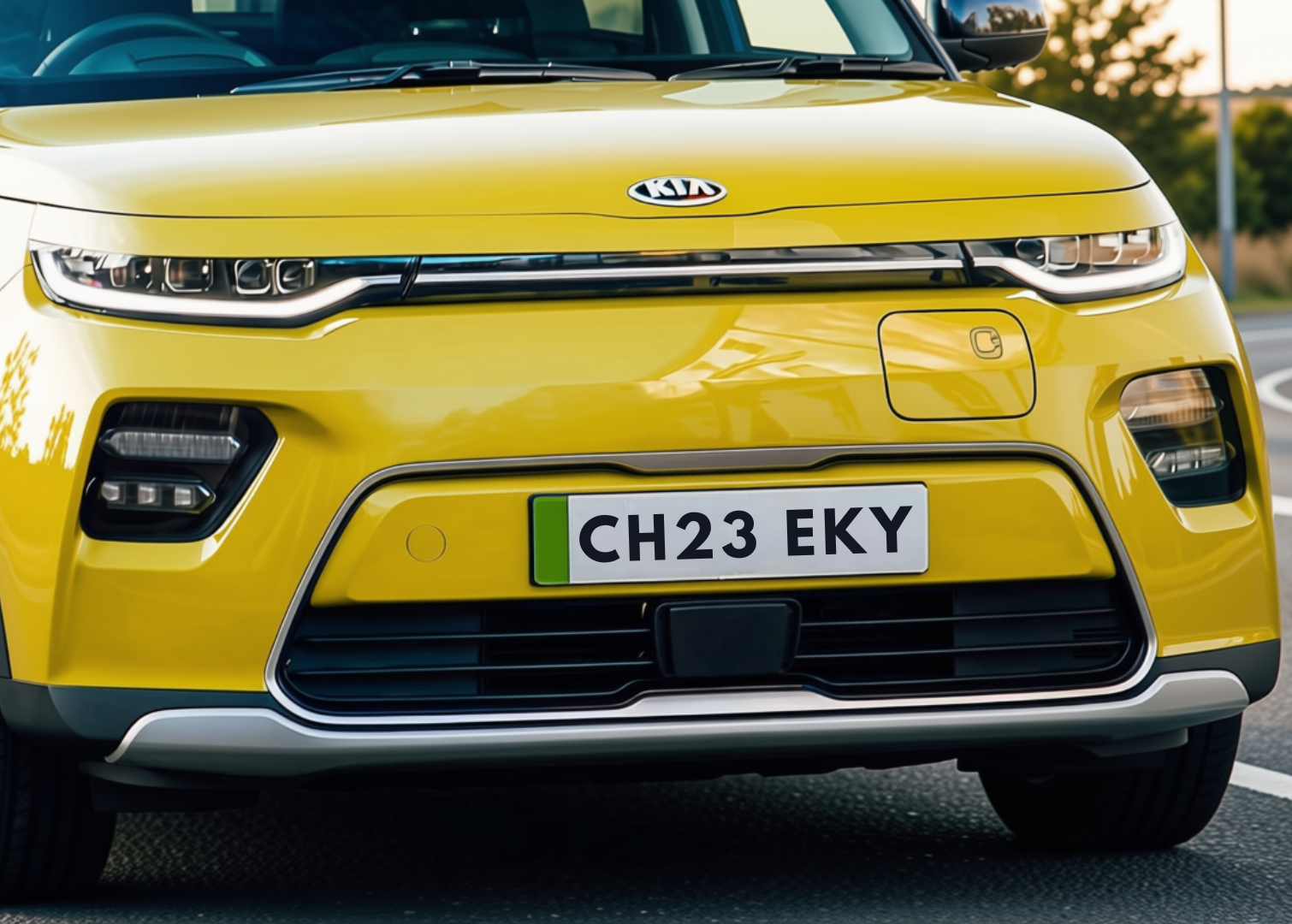
Green number plates were introduced on 8 December 2020 to identify vehicles that produce no tailpipe emissions. They added a new visual feature to UK plates without changing the registration format introduced in 2001.
What Is a Green Number Plate?
A green number plate displays a green flash on the left-hand side. The remaining letters, numbers, colours and spacing follow the same rules as a standard registration plate.
The marking is available for eligible zero-emission vehicles, including fully electric and hydrogen-powered vehicles. Hybrid vehicles do not qualify because they can still produce tailpipe emissions.
Why Were Green Plates Introduced?
The green flash makes zero-emission vehicles easier to recognise and raises awareness of cleaner forms of transport. It can also help local authorities identify qualifying vehicles for schemes such as reduced parking charges or access to designated areas.
The History of Personalised Number Plates
Personalised number plates were not introduced as a separate registration format. They developed from standard registrations that motorists wanted to keep because they were short, memorable or resembled initials, names, words and significant numbers.
When Did Registrations Become Collectable?
Interest initially centred on early dateless registrations. Marks such as A 1 contained few characters and did not reveal the age of the vehicle, making them distinct from the longer formats introduced later.
As more registrations were issued, short combinations and marks with personal meaning became increasingly sought after. They became known as cherished registrations because owners often wanted to retain them when changing vehicles.
How Registration Transfers Created a Private Market
The market grew as registration transfer procedures allowed eligible marks to be moved from one vehicle to another. Owners no longer had to give up a desirable registration when replacing their car.
Older vehicles were sometimes purchased primarily for the registration attached to them. The mark could be transferred to another eligible vehicle before the original car was sold or scrapped.
The later introduction of the retention system allowed a registration to be removed from a vehicle and held on a certificate until it was ready to be assigned again. This made registrations easier to keep, transfer and sell without leaving them attached to a donor vehicle.
1989: The DVLA Begins Selling Personalised Registrations
The DVLA held its first personalised registration auction at Christie’s in London in 1989. The auction offered 74 previously unissued registrations, with the first lot, 99 MG, selling for £8,000.
This marked the beginning of the DVLA selling desirable registrations directly to the public. Auctions were later joined by fixed-price sales, increasing the range of registrations available beyond those already attached to vehicles.
Private number plates have since developed into an established market covering dateless, suffix, prefix and current-format registrations. Their appeal continues to be shaped by rarity, length and the names, initials or words their characters can represent.
More Than 120 Years of UK Number Plates
Since compulsory vehicle registration began in 1904, UK number plates have changed to keep pace with rising vehicle ownership. Each new format created more unique combinations, improved vehicle identification or made registration records easier to manage.
As older registrations became scarcer, short dateless marks and combinations resembling names or initials developed into sought-after private plates. Some are purchased as personal identifiers or collectable assets with potential long-term value.
National Numbers has helped motorists buy, sell and transfer private registrations for over 40 years. Search our available private number plates, request a free valuation or speak to our team for help finding a registration that suits your requirements.